20 photo comparisons
Look twice. The care difference can be larger than the visual one.
Compare real, credited photographs and visible field marks, then confirm the answer against adult care requirements.
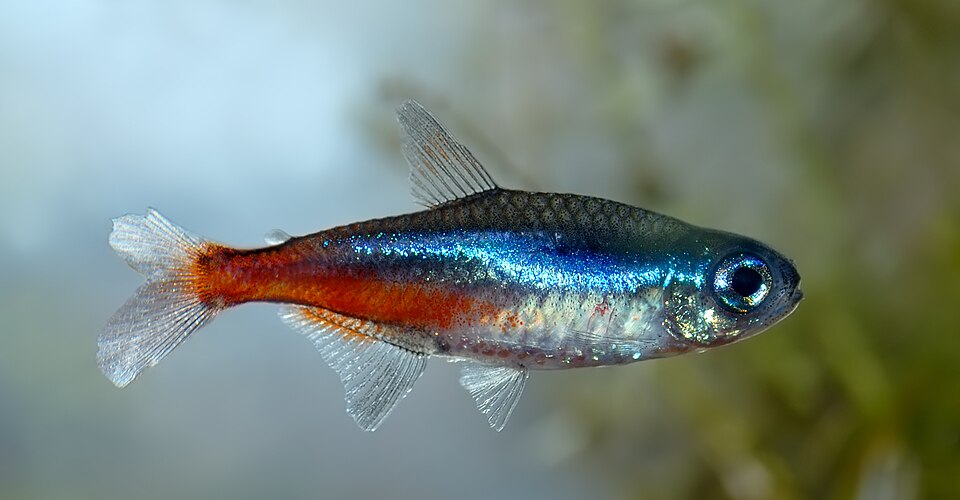
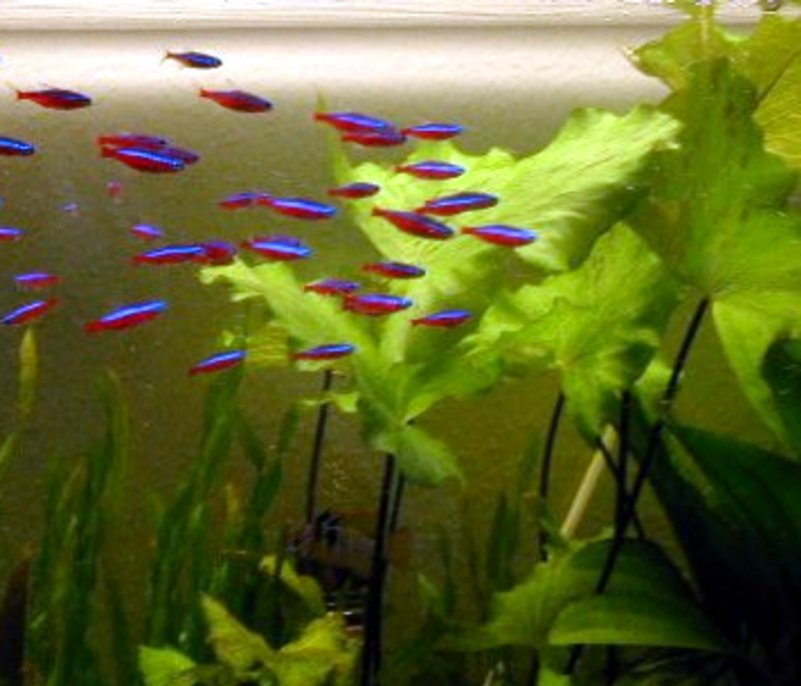
Side-by-side ID
Neon tetra vs cardinal tetra
Use the red stripe, adult size and temperature preference to separate two frequently confused blue-striped tetras.
Compare them →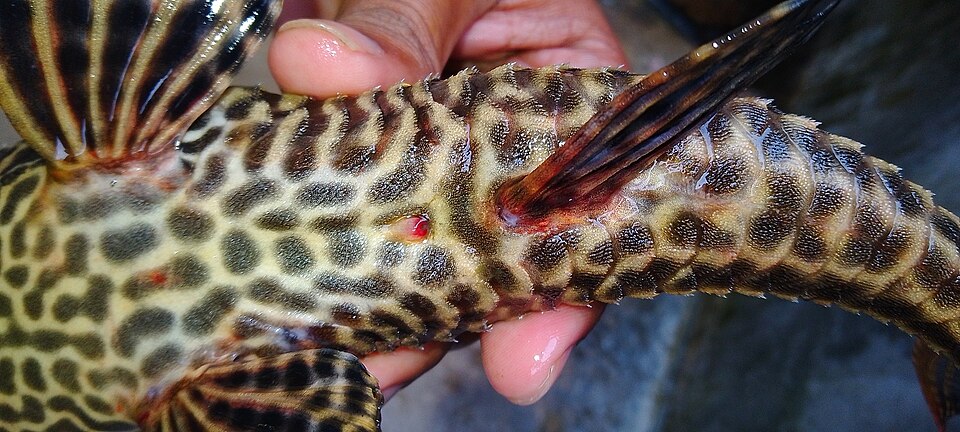
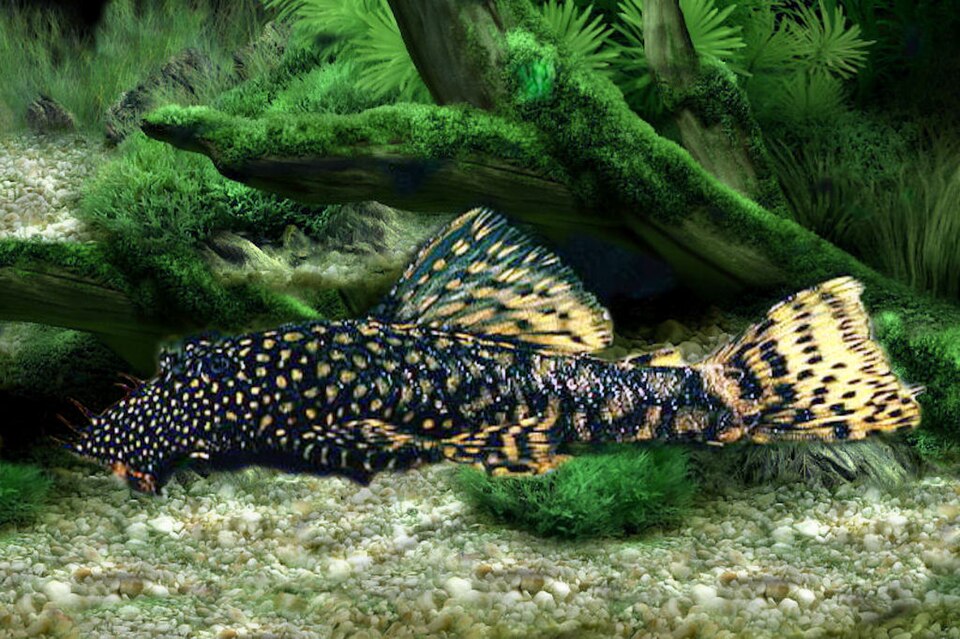
Side-by-side ID
Common pleco vs bristlenose pleco
Head shape and facial bristles are the fastest clues, but adult size is the difference your aquarium must accommodate.
Compare them →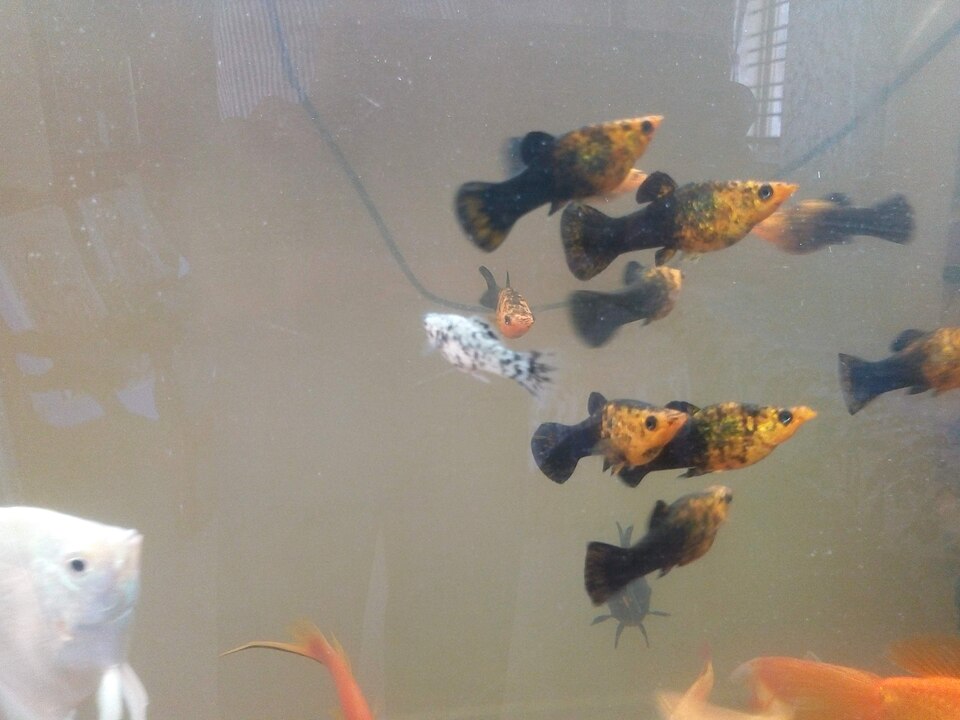
Side-by-side ID
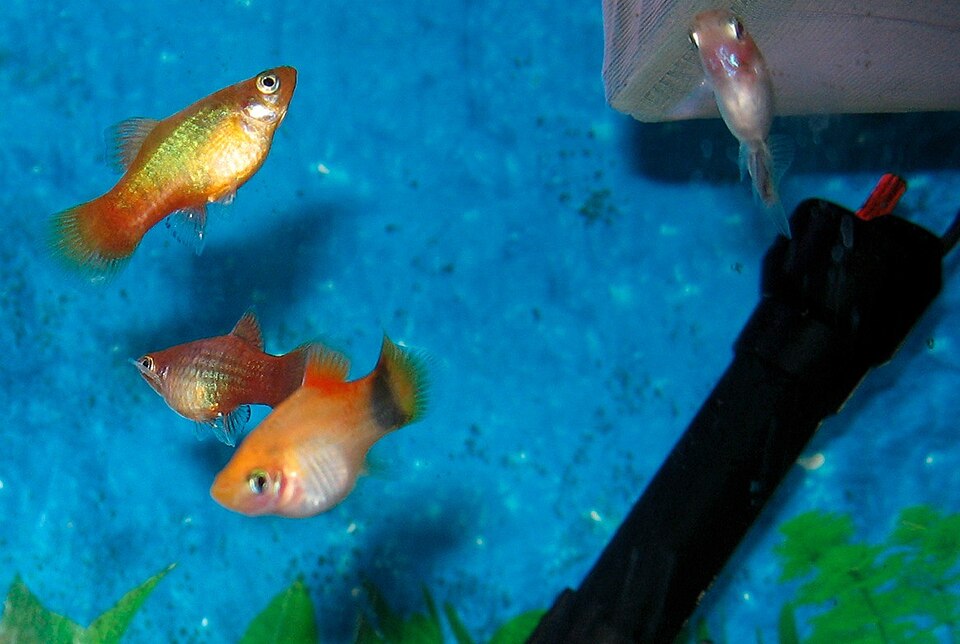
Molly vs platy
Compare body length, snout and dorsal fin rather than relying on colour, which varies enormously in both livebearers.
Compare them →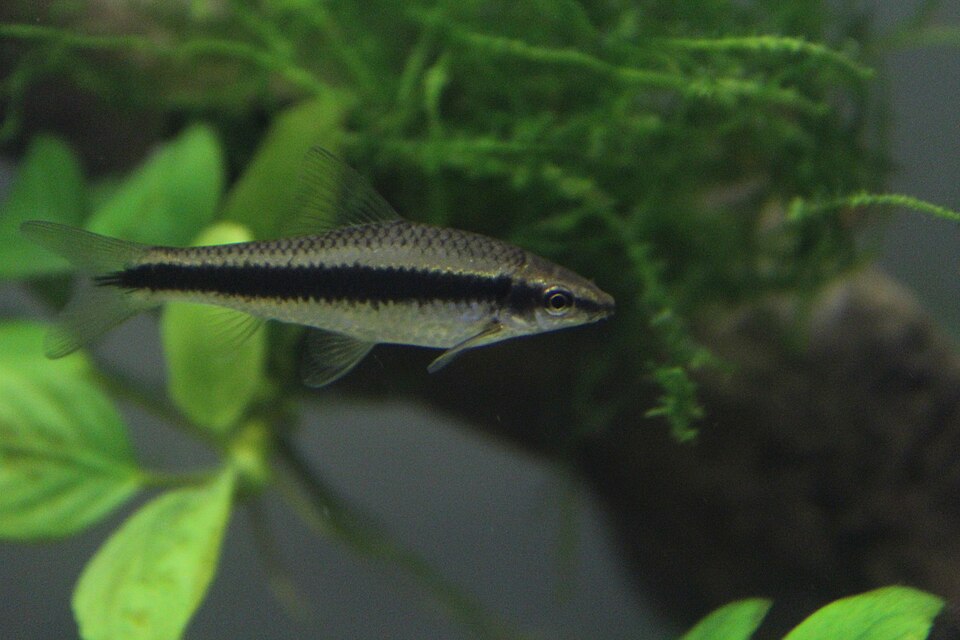
Side-by-side ID
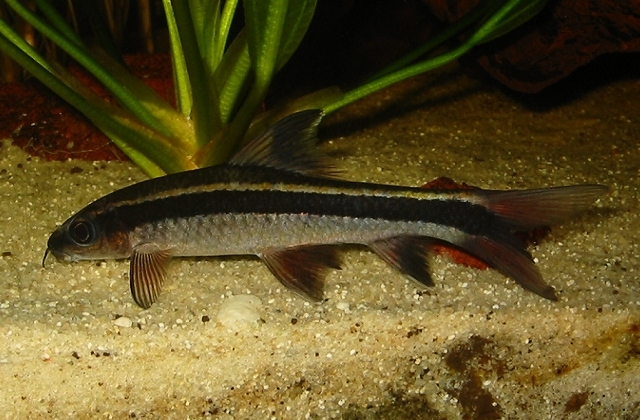
Siamese algae eater vs flying fox
Look closely at the black lateral stripe, the clear fin edges and the mouth before treating either fish as an algae solution.
Compare them →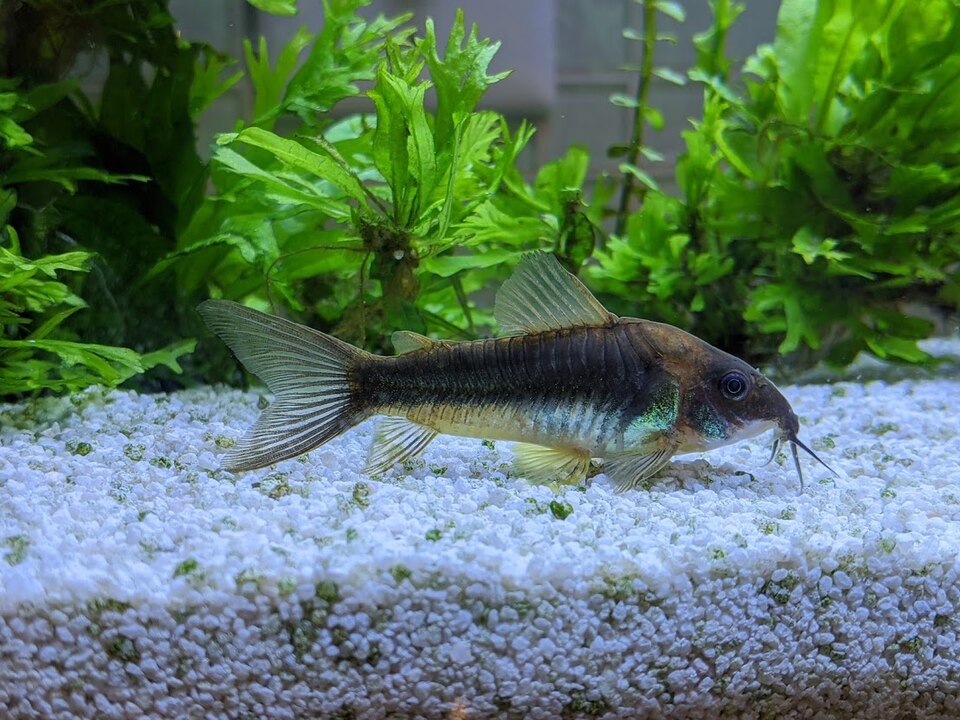
Side-by-side ID
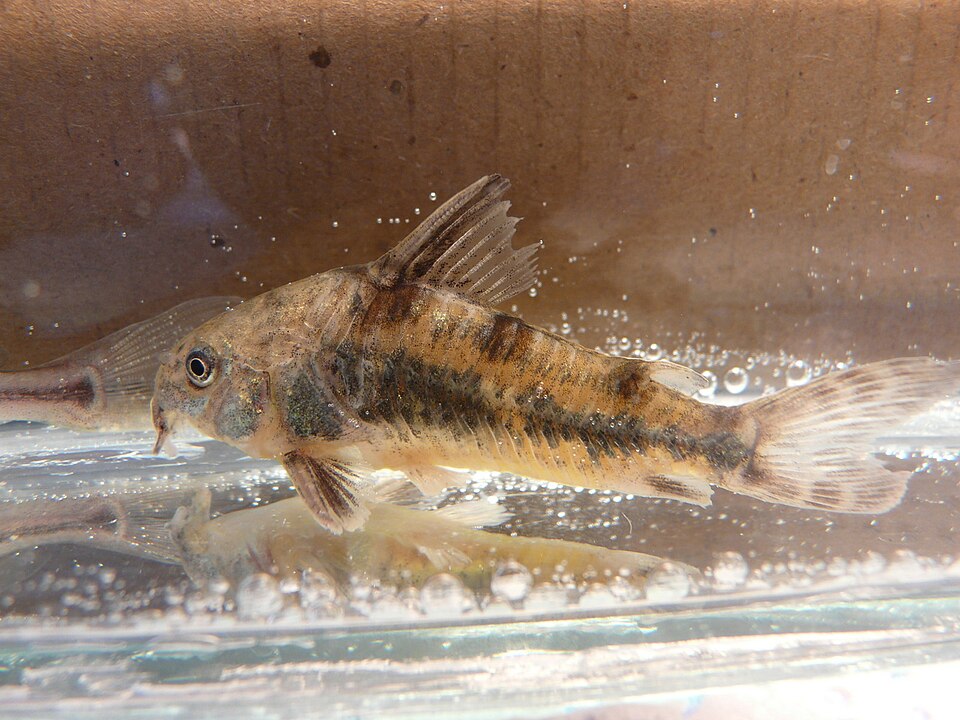
Bronze vs peppered corydoras
Base colour and pattern usually separate these corys, then temperature preference confirms why the distinction matters.
Compare them →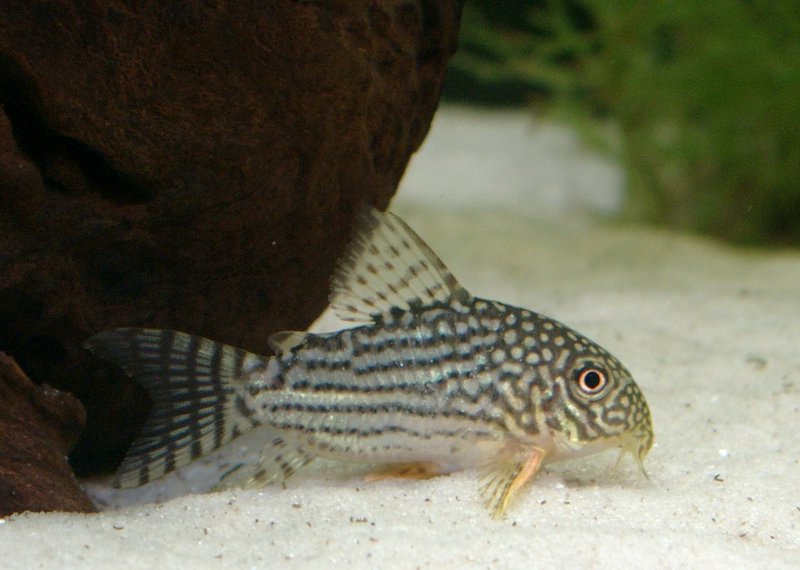
Side-by-side ID
Sterbai vs peppered corydoras
Read the pattern direction and pectoral-fin colour: these lookalikes sit at opposite ends of common cory temperature choices.
Compare them →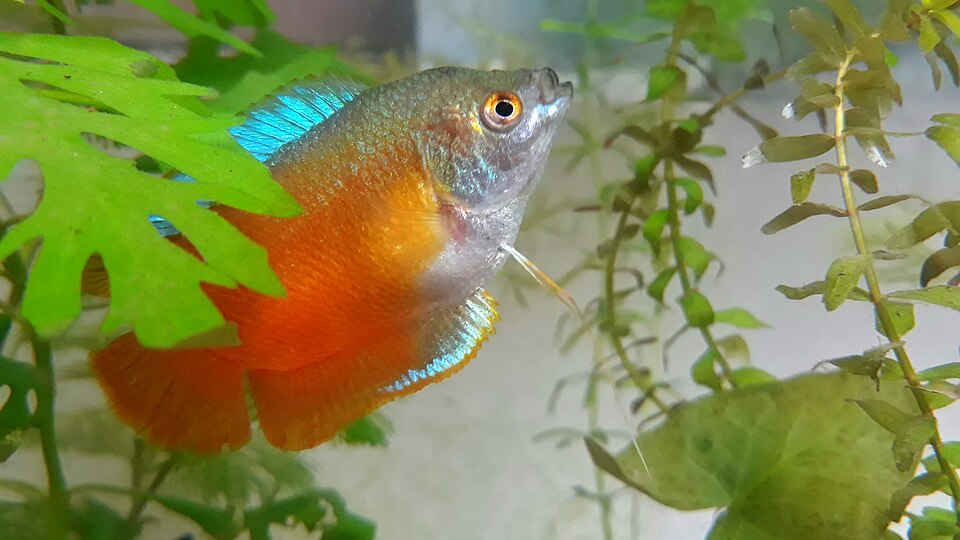
Side-by-side ID
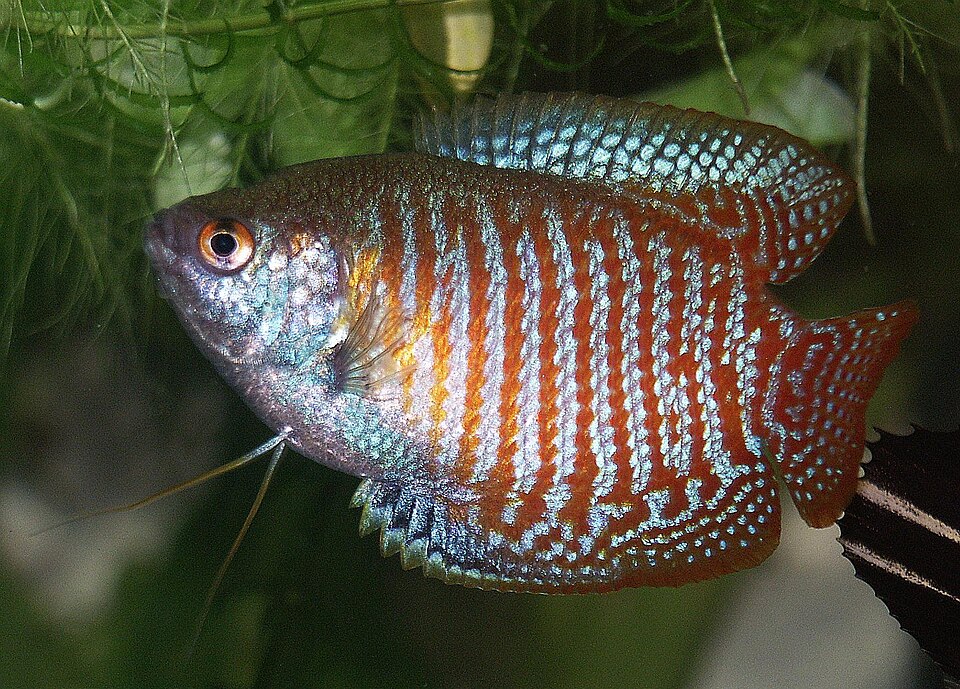
Honey gourami vs dwarf gourami
Body depth, stripe pattern and adult colour help separate two small gouramis with different care trade-offs.
Compare them →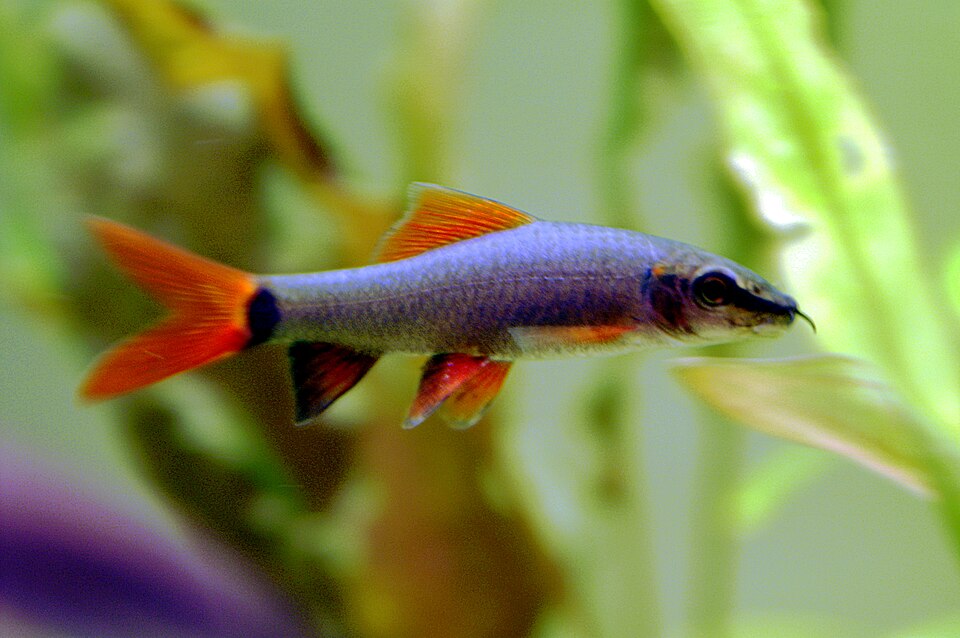
Side-by-side ID
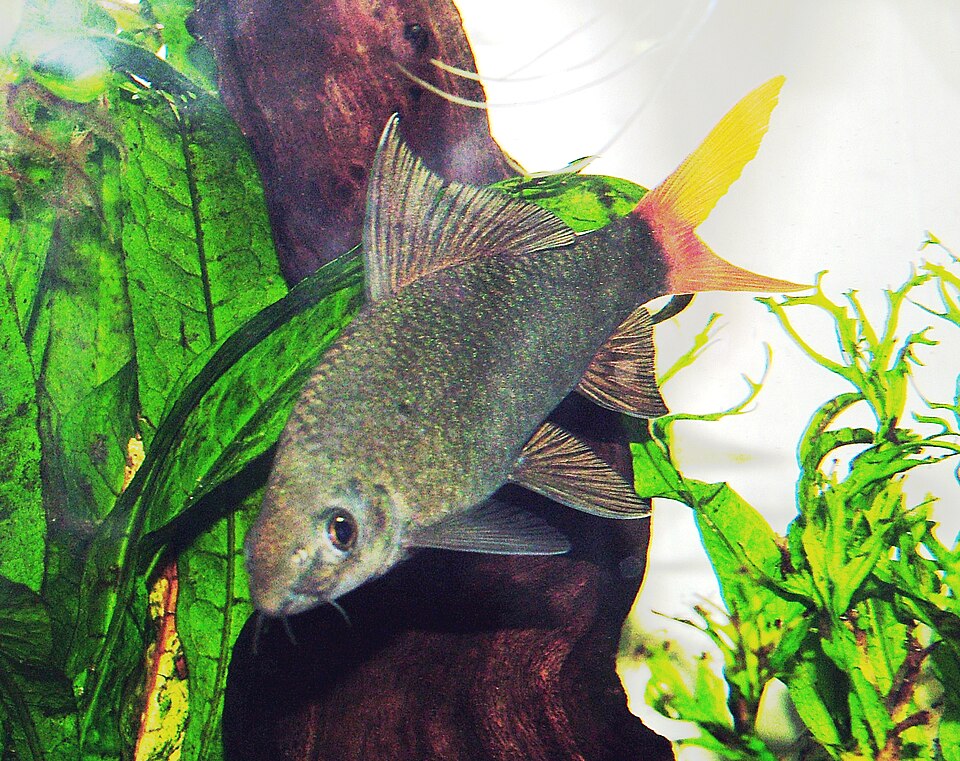
Rainbow shark vs red-tail shark
Check every fin, not just the tail: fin colour is the clearest distinction between these territorial cyprinids.
Compare them →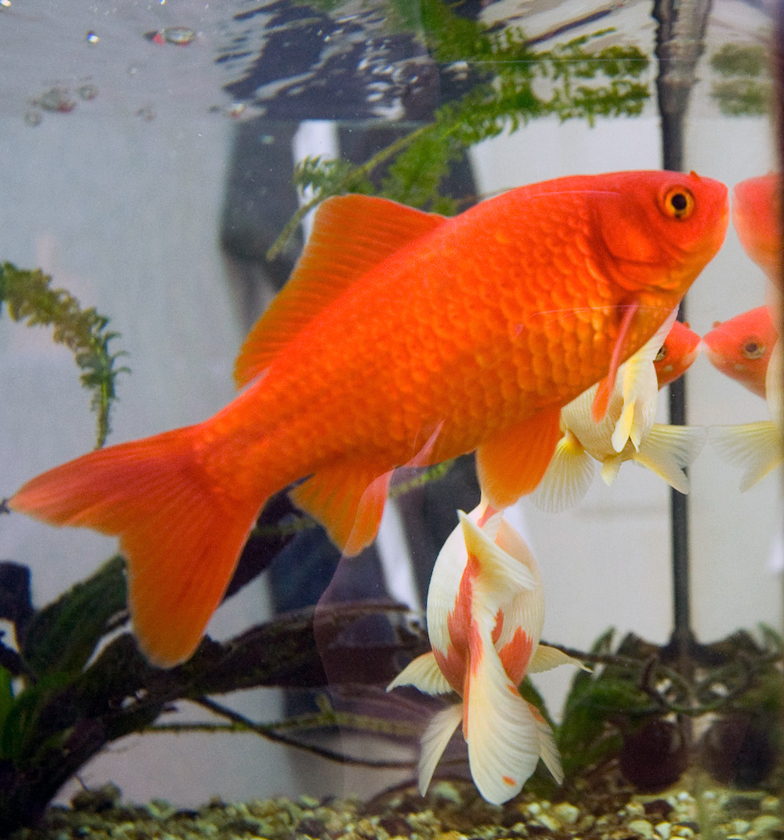
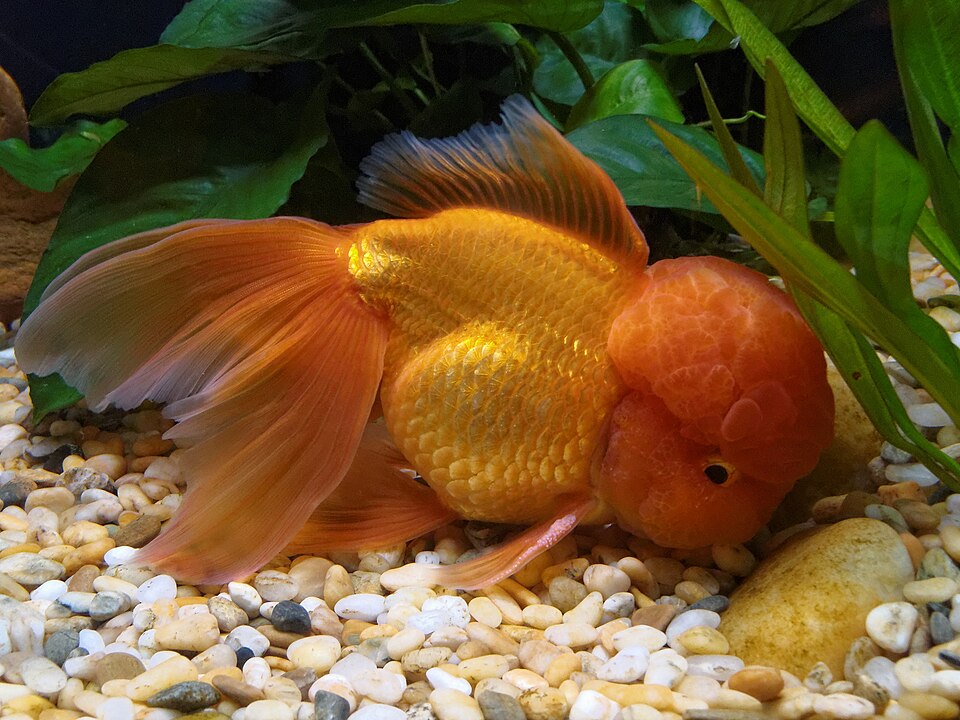
Side-by-side ID
Common goldfish vs fancy goldfish
Tail count, body shape and swimming form distinguish athletic single-tail goldfish from compact fancy varieties.
Compare them →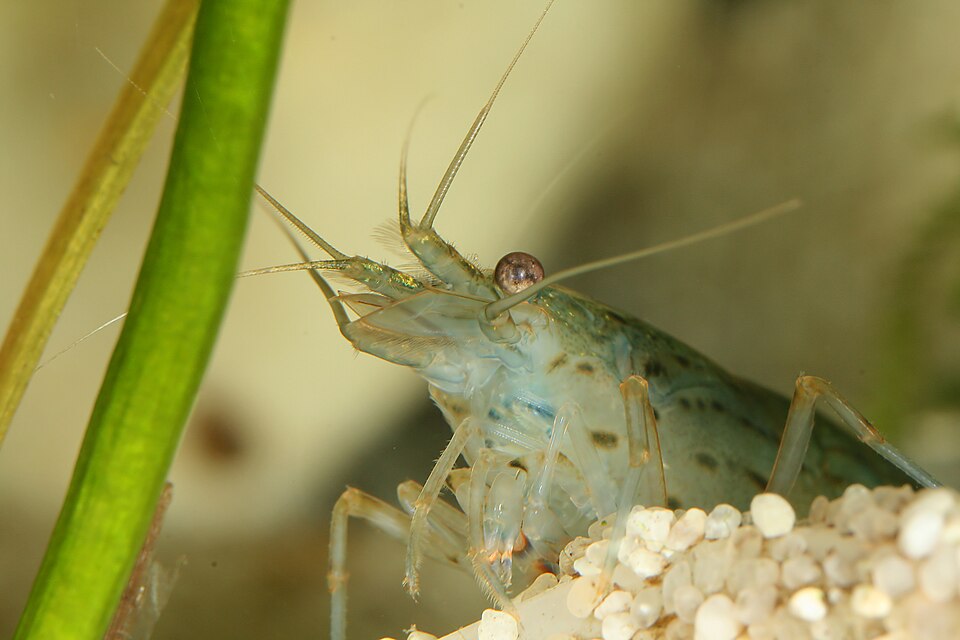
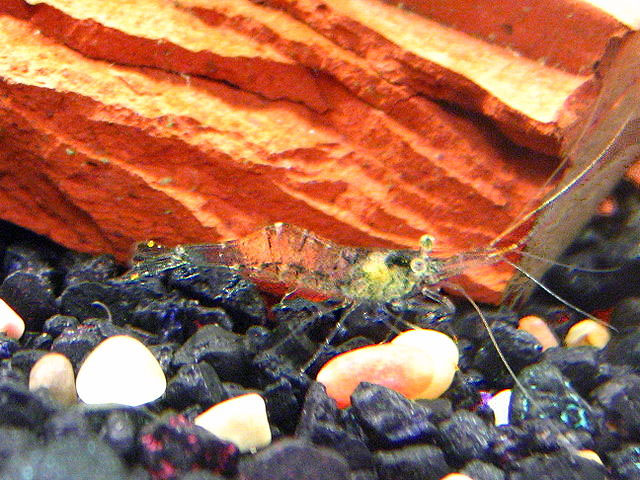
Side-by-side ID
Amano shrimp vs ghost shrimp
Amano side markings and ghost shrimp transparency provide clues, but the shrimp trade contains several near-identical species.
Compare them →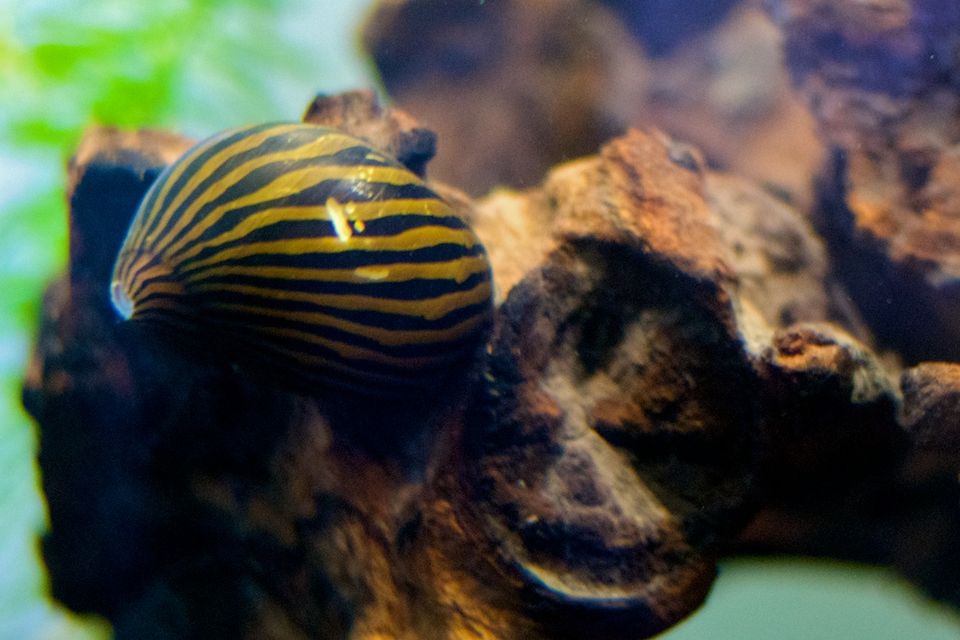
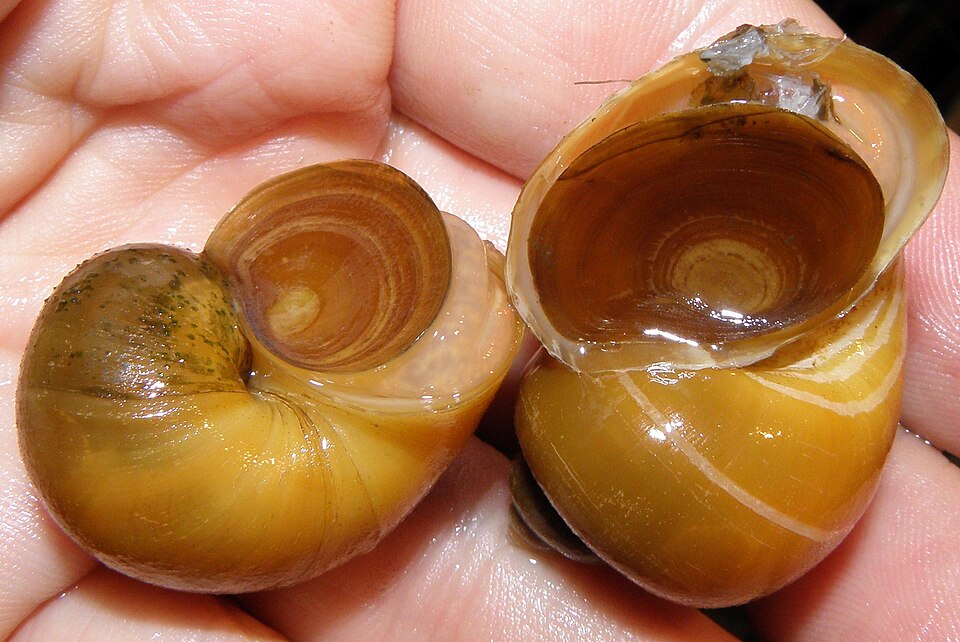
Side-by-side ID
Nerite snail vs mystery snail
Shell opening, antennae and adult shell shape separate two popular aquarium snails with very different reproduction.
Compare them →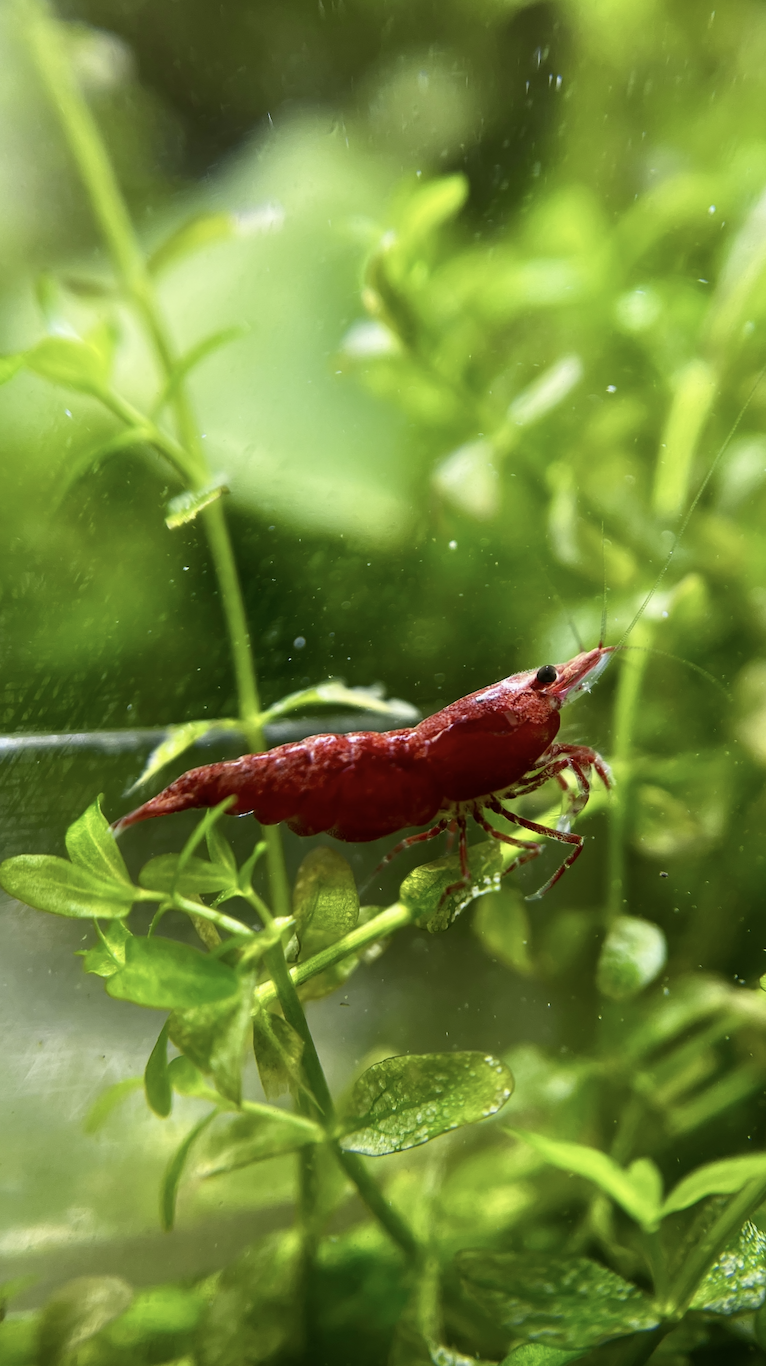
Side-by-side ID
Cherry shrimp vs Amano shrimp
Adult size, opacity and side markings distinguish a domestic dwarf shrimp from the larger Amano shrimp.
Compare them →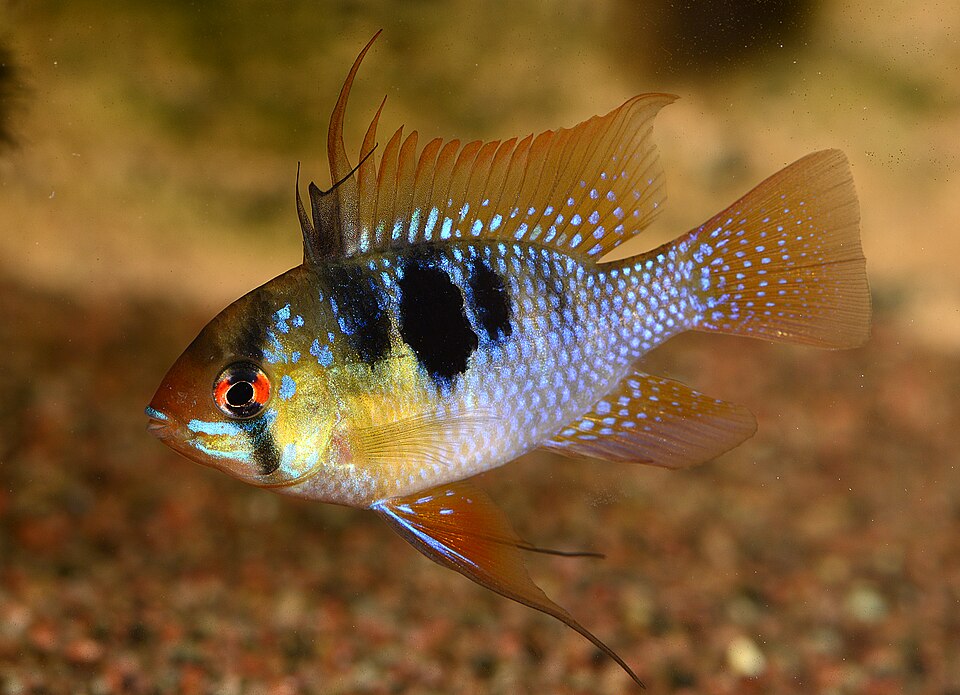
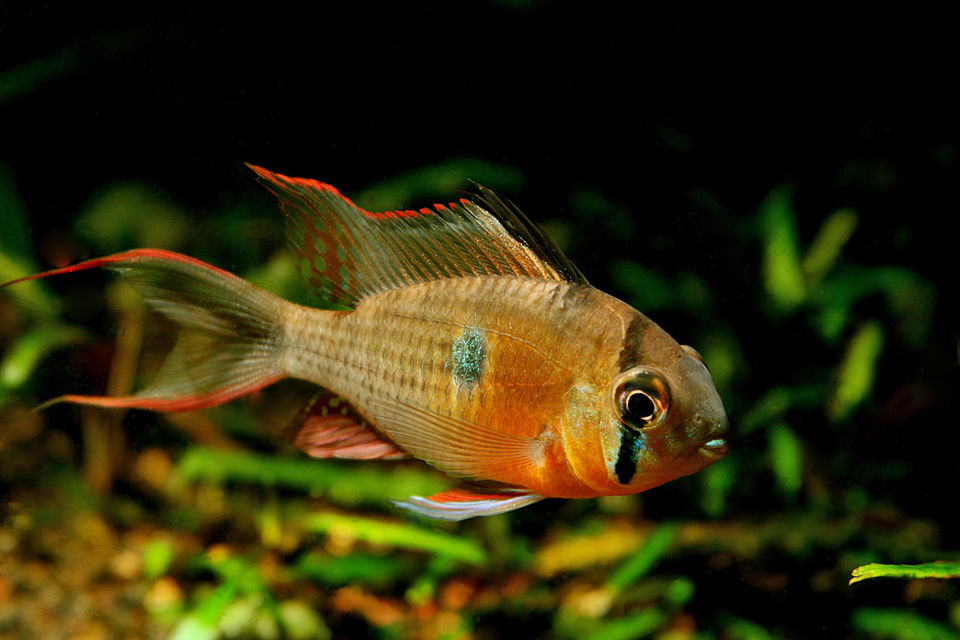
Side-by-side ID
German blue ram vs Bolivian ram
Body shape, facial stripe and fin detail separate these dwarf cichlids, while temperature is the crucial care difference.
Compare them →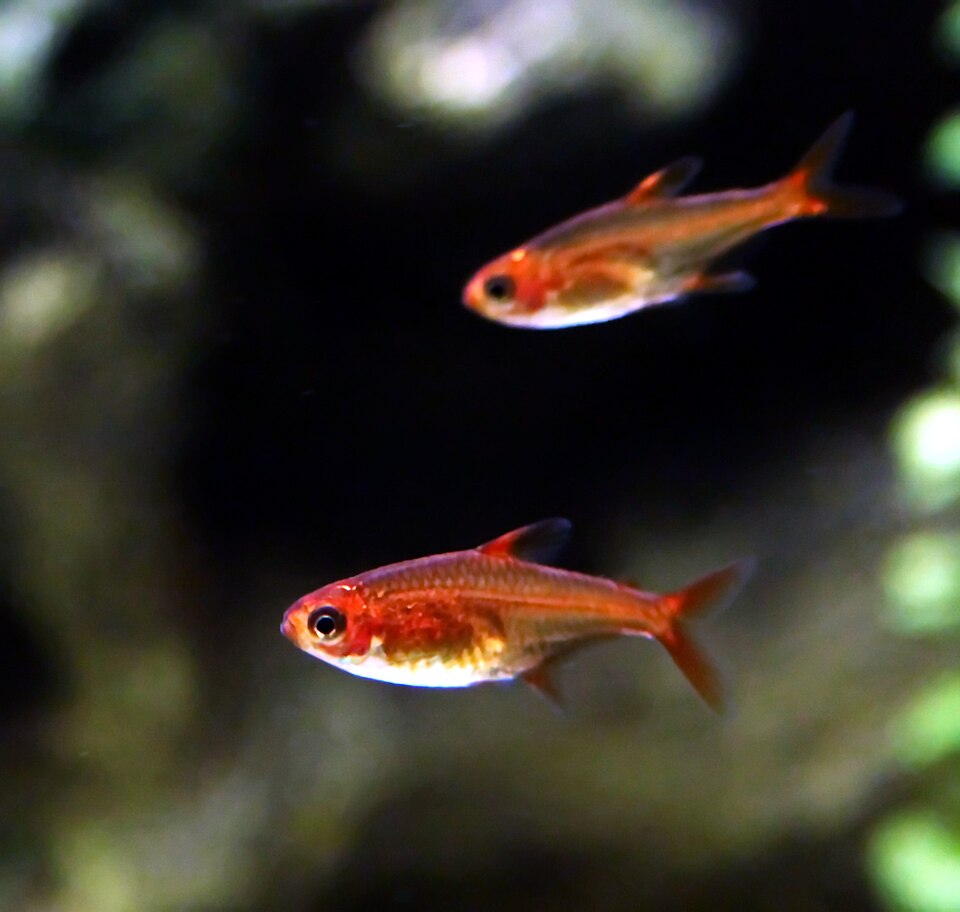
Side-by-side ID
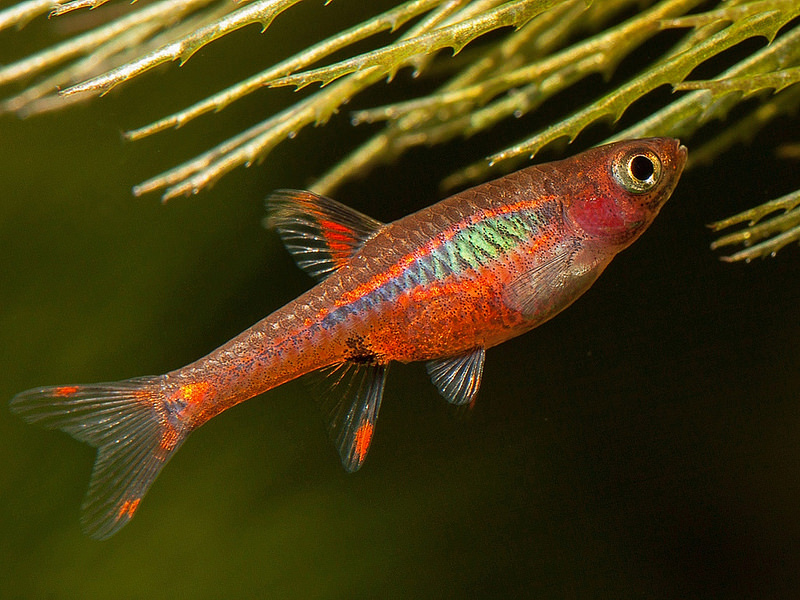
Ember tetra vs chili rasbora
These tiny red fish separate through body depth and the chili rasbora's dark lateral marking.
Compare them →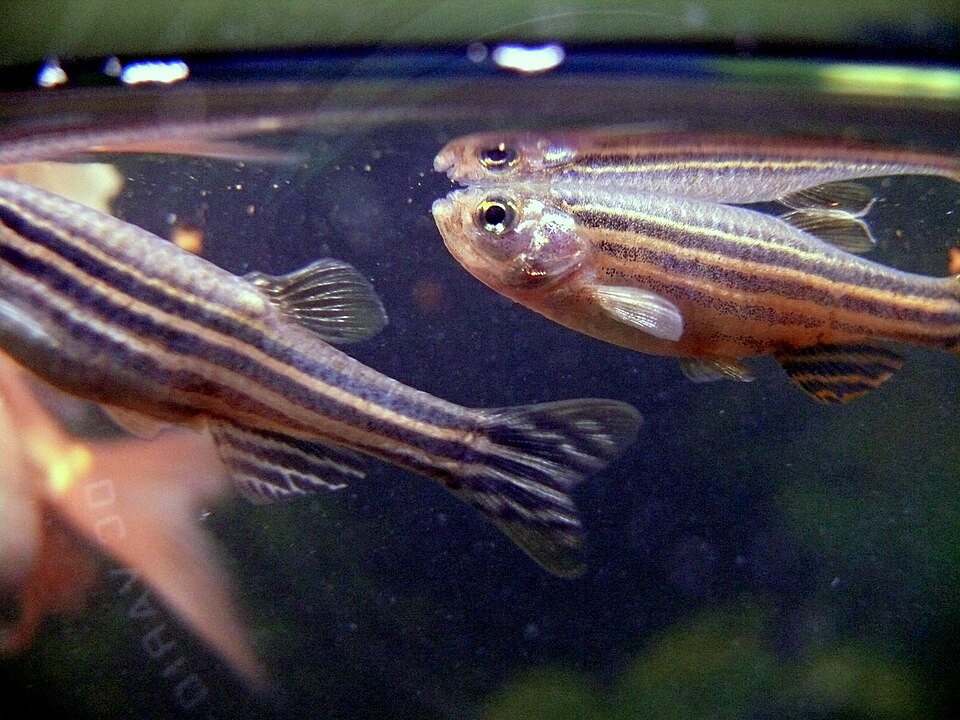
Side-by-side ID
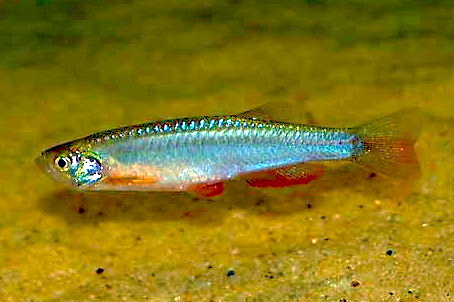
Zebra danio vs pearl danio
Horizontal stripes identify zebra danios; an iridescent, largely unstriped flank points toward pearl danios.
Compare them →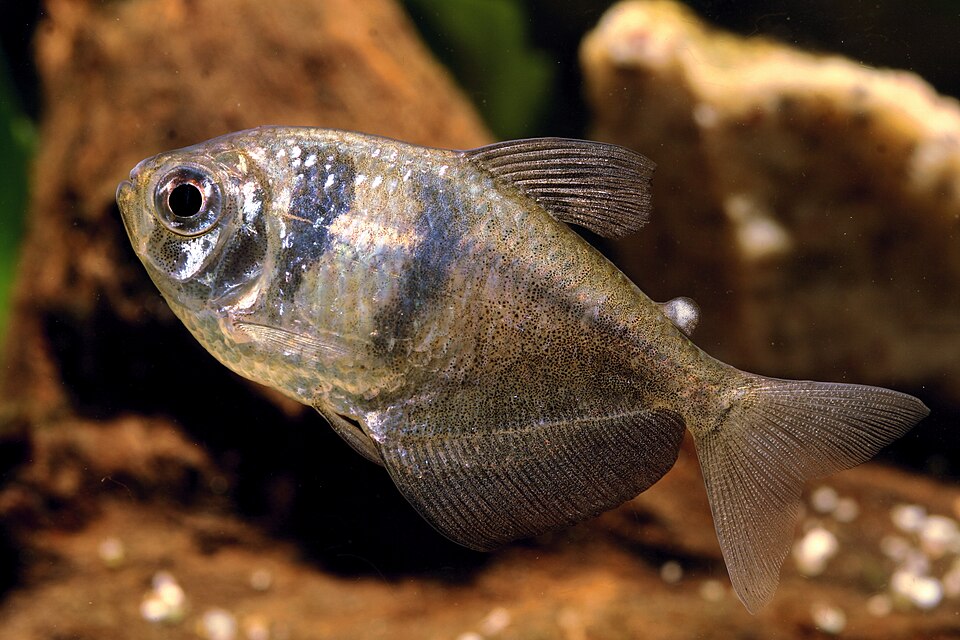
Side-by-side ID
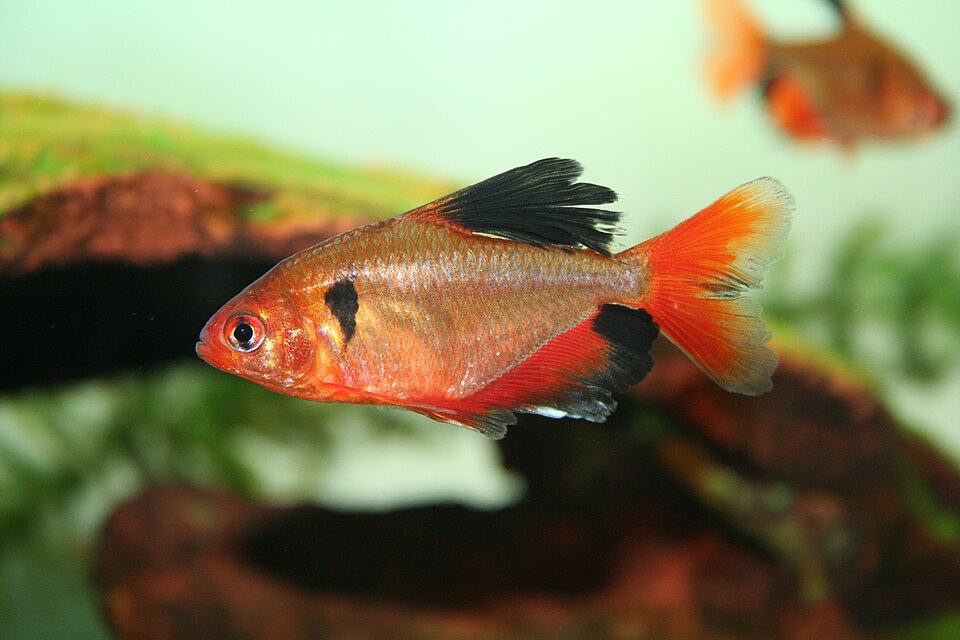
Black skirt tetra vs serpae tetra
Body colour and fin shape distinguish these tetras, but both require planning for group-mediated fin nipping.
Compare them →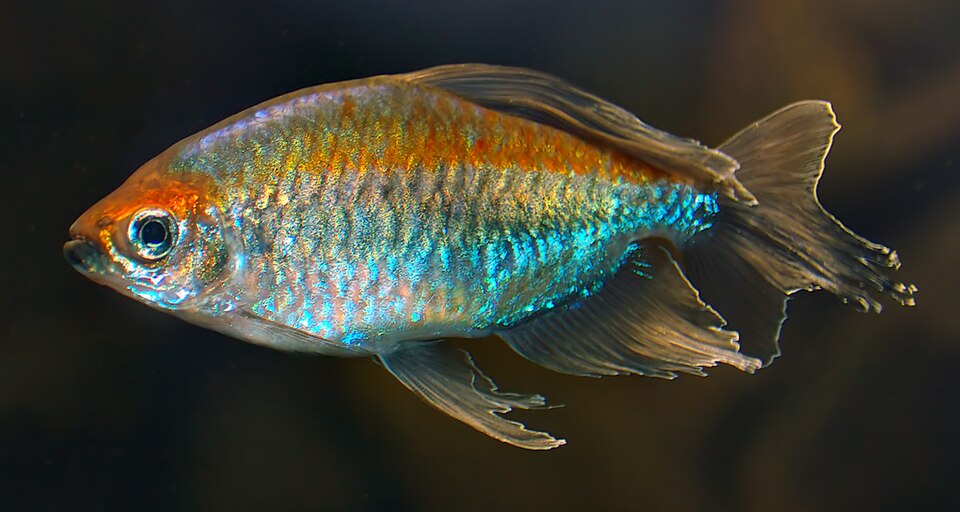
Side-by-side ID
Congo tetra vs black skirt tetra
Adult scale, iridescence and flowing male fins separate the Congo tetra from the smaller black skirt tetra.
Compare them →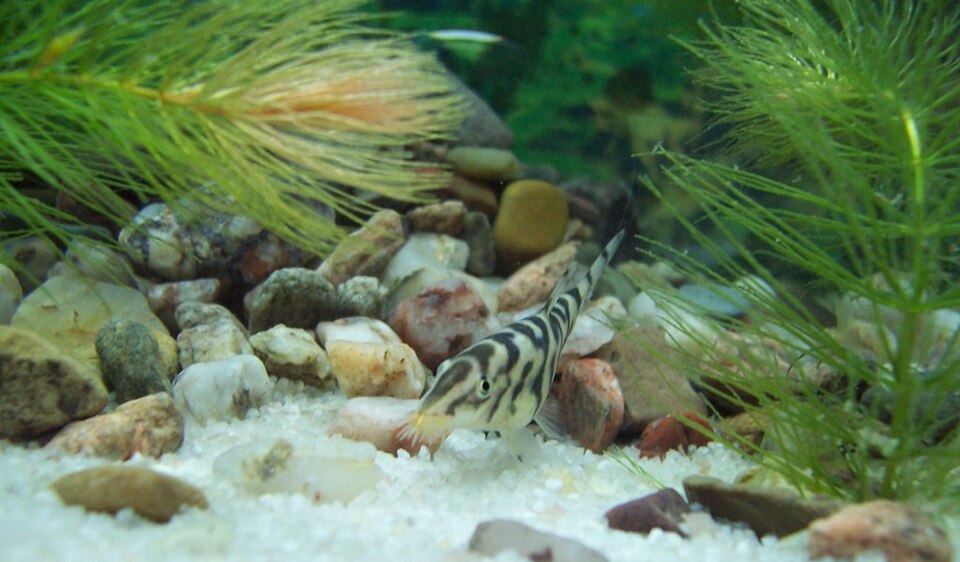
Side-by-side ID
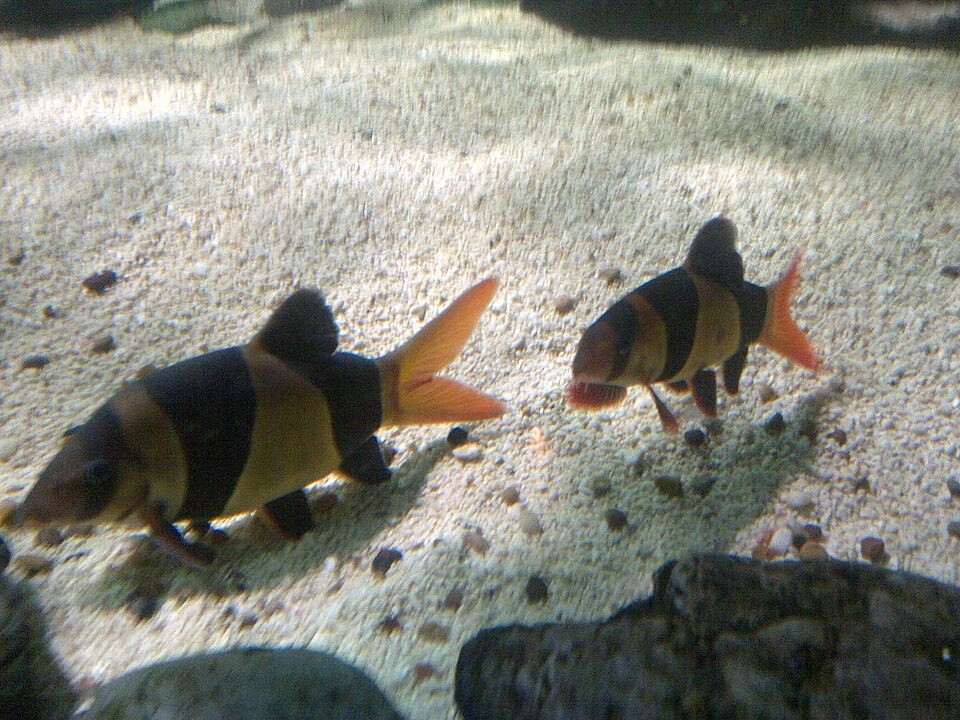
Yoyo loach vs clown loach
Orange body colour separates clown loaches from the reticulated yoyo pattern, but adult size is the urgent distinction.
Compare them →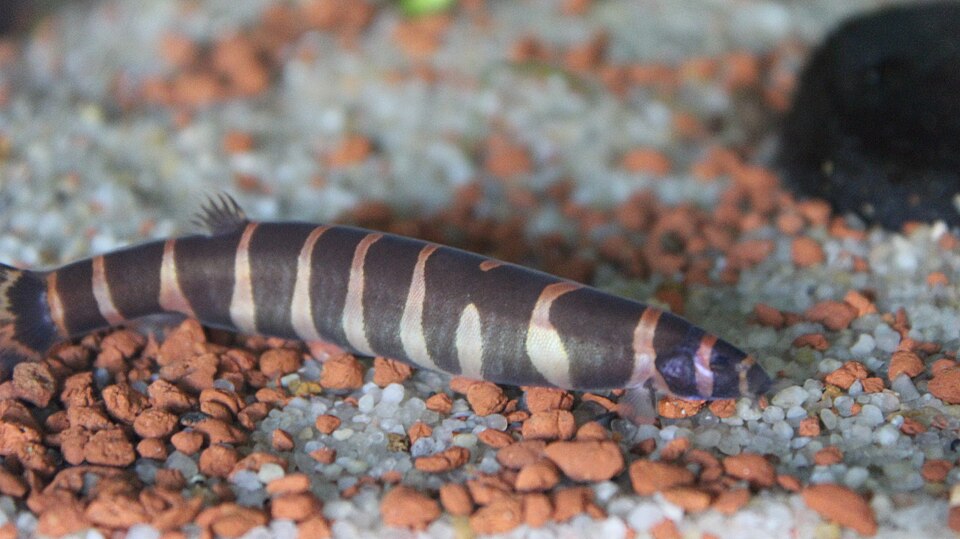
Side-by-side ID
Kuhli loach vs yoyo loach
An eel-like body identifies a kuhli loach; a deeper arched body with looping bands identifies a yoyo loach.
Compare them →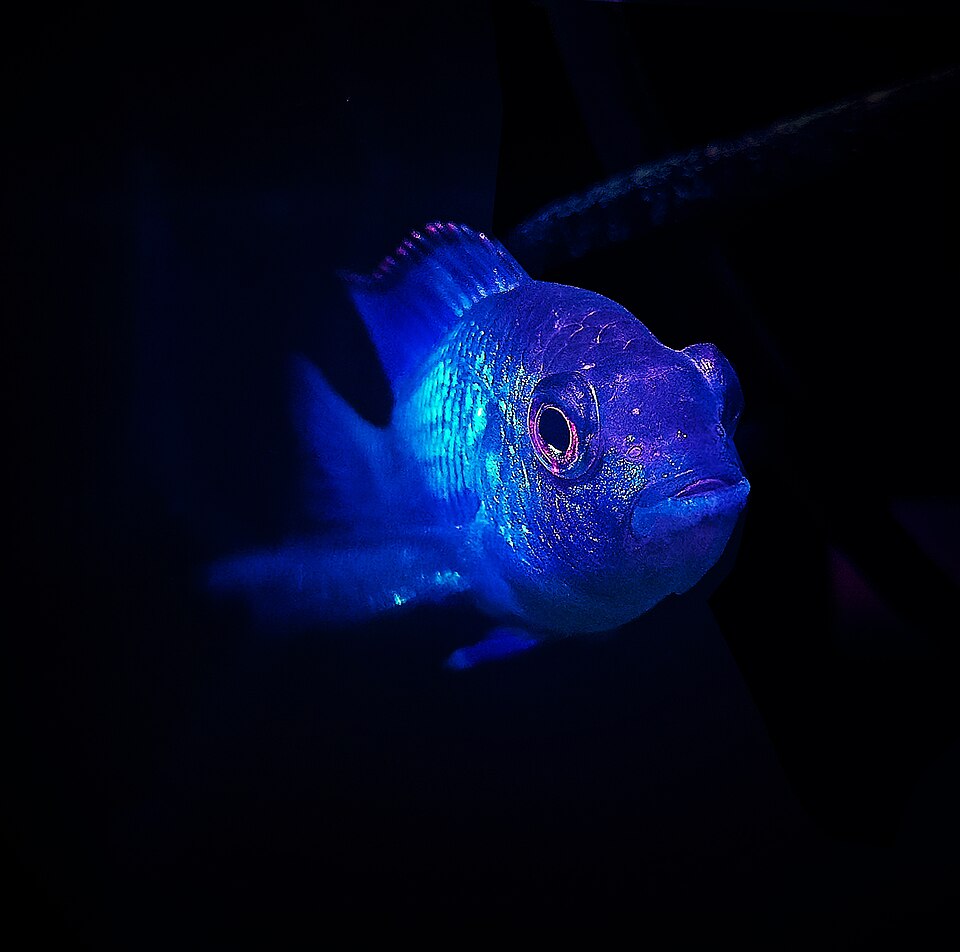
Side-by-side ID
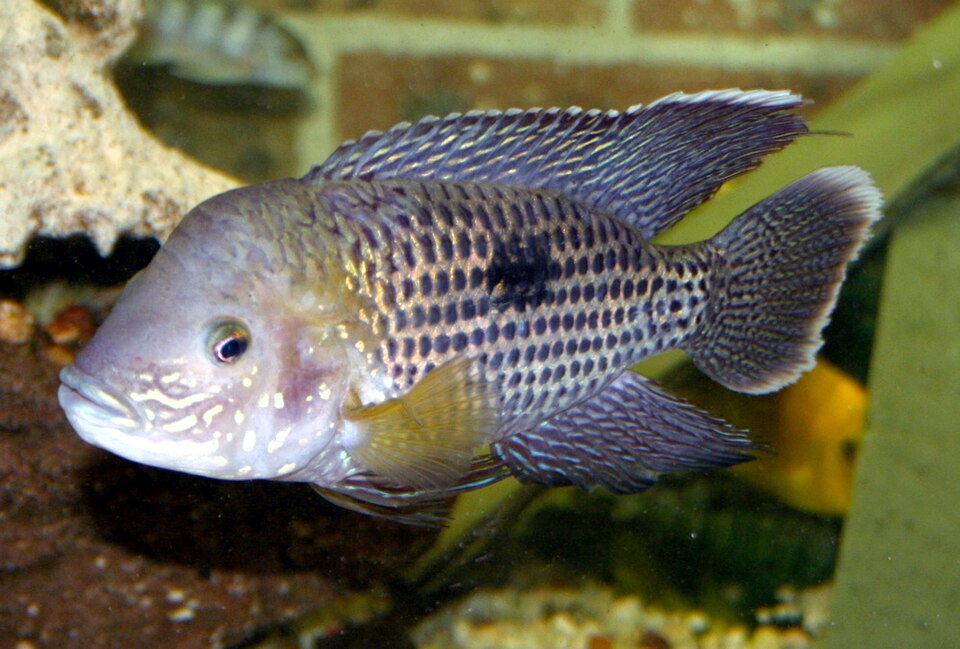
Electric blue acara vs green terror
Face markings, fin edging and body proportions help separate two blue-green cichlids with very different aggression risk.
Compare them →