Candidate
Common pleco
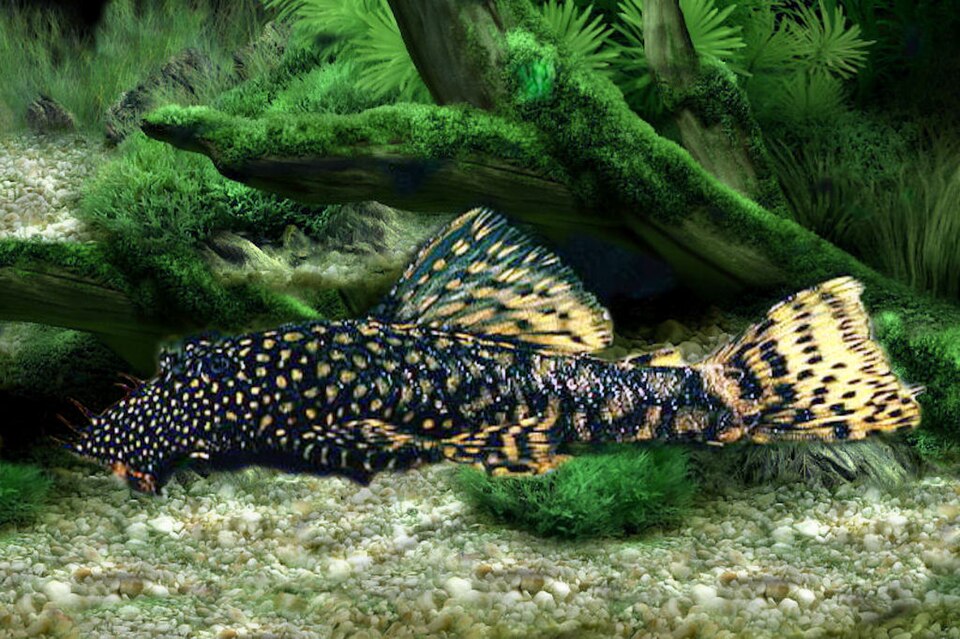
Hypostomus plecostomus
Open full care profile →Photo identification · reviewed 2026-07-31
Head shape and facial bristles are the fastest clues, but adult size is the difference your aquarium must accommodate.
Candidate
Hypostomus plecostomus
Open full care profile →Candidate
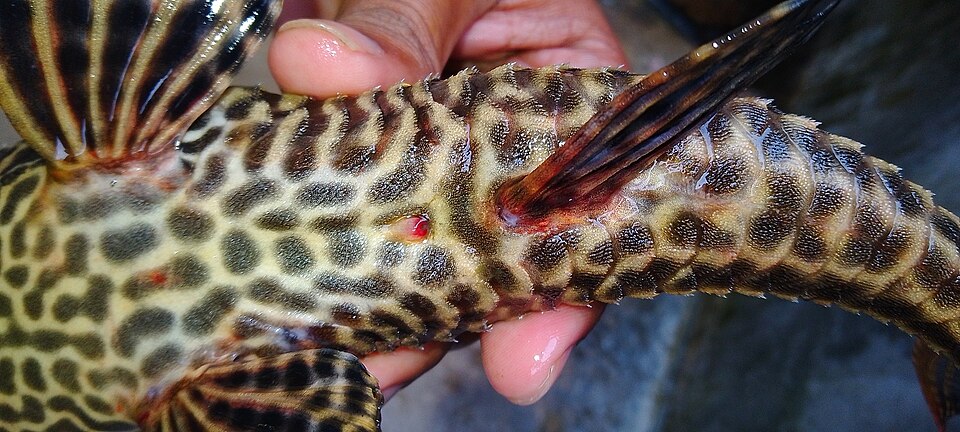
Ancistrus cirrhosus
Open full care profile →Interactive observation guide
Use the photographs above, then select each clue. Do not make an identification from one feature alone.
Mature male bristlenose plecos develop obvious soft tentacles on the snout; females may show shorter bristles.
Care reality check
A visual identification changes which limits you should plan around.
| Requirement | Common pleco | Bristlenose pleco |
|---|---|---|
| Adult size | 30–50 cm | 10–14 cm |
| Minimum tank | 450 L · 180 cm | 100 L · 80 cm |
| Temperature | 22–30°C | 22–28°C |
| pH | 6–8 | 6–7.8 |
| GH | 5–20 dGH | 3–15 dGH |
| Social minimum | 1 | 1 |
| Temperament | territorial | territorial |
Visible differences
Shared traits
Why it matters
A common pleco becomes dramatically larger and needs a far longer, higher-volume aquarium than a bristlenose.
Uncertainty
Several large loricariids are sold loosely as 'common pleco'. A clear side-on photo may not settle the exact species.